When planning your next investment, you need to decide which type of property is right you, in that it will offer the best possible returns both in the short and long-term. Two of the most common choices for investment are residential and commercial real estate, which are both lucrative options in their own right. While they can both offer excellent profits, they provide various differences that may benefit some investors but not others.

To help you choose between commercial and residential property, take a look at this pros and cons guide which will help you make a final investment decision.

Commercial property

This form of real estate consists of any type of property that is either bought or let out for business purposes. This includes office spaces, hotels, shopping centers, retail stores, warehouses, and more which are all operated to generate profit. While some businesses own their property, others rent them out from commercial landlords or investors who can benefit massively from renting their premises to businesses, although there are also some downsides.

Pros:

High rental rates

One of the upsides of investing in commercial property is that you can benefit from high returns as the majority of companies prefer to be located in a central area and are prepared to pay higher rates. Many commercial landlords offer extensive services such as catering, kitchen areas and social spaces which enable them to charge more.

Flexible financing

Investors looking to purchase commercial properties can finance their investment in numerous ways. One example is auxiliary financing which can actually offer 100 percent financing on first or second mortgages. This is not available for residential real estate, as investors must put up some of their own money before they can invest.

Cons:

Strict regulations

One thing commercial investors need to be wary of is the zoning regulations associated with buying commercial property. For example, if you own an industrial warehouse that is predominantly used for production and another business that offers an entirely different service wishes to rent out an area in your space, this may not be possible due to zoning restrictions.

More competition

You may think a residential property is competitive, however with commercial real estate you are competing against investors as well as businesses who may wish to buy you out and purchase their own premises. This may restrict you when investing, as you will need to find a property that is worthwhile and attractive to businesses who only wish to rent.

Residential property

Residential real estate includes property that is either bought or rented out for living purposes only. The most popular type of residential property is a buy to let investment, which is when investors rent out properties to residents and students. This offers investors massive benefits; however, you can also expect some downfalls.

Pros:

High rental yields

When investing in residential property, investors can benefit from high rental yields in real estate based in city centers and the outskirts. For example, property companies like RW Invest have several properties spread out the North West, which can offer average yields of 8% resulting in excellent returns. 

Affordable property

In comparison to commercial property, residential real estate is much more affordable. This means a lot more people can invest in this type of real-estate, as they can purchase anything from one student flat to a whole apartment building depending on their budget.

Cons:

Lack of tenant interest

The problem with residential property is that you can only make a profit if you have tenants living on the premises, if your property is receiving no interest then your capital will suffer. This is why you must conduct thorough research to find a property that will have significant tenant demand, enabling you to benefit financially

Price decrease

Just as a property can appreciate, it can also depreciate, which will all be dependent on the market. This will cause your property to lose value, resulting in a profit loss. However, this can be corrected by improving your property as much as possible to increase its value regardless of the state of the market.


Image source: https://www.pexels.com/photo/person-typing-on-laptop-1571699/

Startup founders find themselves having the edge in today’s digitally-driven business landscape. The best tools are within their reach and a passion for creating something worthwhile is what pushes them forward.

However, to be successful in any market takes more than just enthusiasm and the right tools, especially when you’re sustaining the gains of your business.

Here are a few strategies you can work with in order to keep your startup growing.

Analyze the competition

You want your products or services to build a loyal customer base for your business. But in order to achieve this simple goal, you will need to keep your competitors away from your audience.

This involves knowing what your closest competitors are doing. Competitor analysis goes a long way when it comes to nurturing your business. You will need to gather as much intelligence as you can to transform your strategy and improve your own product line. Doing so keeps you from getting left behind as the market progresses.

Innovate what you have

It’s not always that you rely on your competitors to shift your strategy. At the end of the day, you will need to chart your own path in providing for the needs of your audience.

Never settle for your current achievements. Instead, look for ways to innovate your business. You can improve your product or introduce a new one altogether. You just have to get a good feel for the market by looking at the most important trends.

Open up new funding sources

Nurturing a startup requires an investment of time and, of course, money.

Although it’s a great way for you to generate profits and help people by addressing their needs, building a startup involves having the right amount of resources to support the difficult stages that come immediately after a successful launch.

Venture capital is one strategy that works well with small businesses that struggle with a lack of financing. VC funds allows these businesses to access ready funding sources that could support their activities.

There are other ideas that work just as well. Startup owners can lease living space via Airbnb, invest in stocks, or secure semi truck title loans or other loan products. Crowdfunding can also be a great way to help generate extra funding for your business. You just have to pitch your product properly.

Create a value-driven marketing campaign

The age of aggressive advertising is finally coming to an end now that consumers are becoming even more meticulous when it comes to the messages they encounter.

Marketing right now is data-driven, placing the audience front and center and compelling businesses to craft content that not only engages consumers, but also takes their specific needs into account.

Indeed, when it comes to content and social media marketing, startups will have to go the extra mile when it comes to understanding their markets.

The first few weeks would be challenging if not critical for your startup. Considering that it has a potential to grow, it’s important to look for ways on how you can fully leverage its potential.

Millions of people buy and sell Bitcoin in the conviction that cryptocurrency, in general, is the future of money. Bitcoin as the first cryptocurrency planted the idea that digital currencies could be a faster and cheaper means of exchange than traditional fiat currencies

The fact that the price of Bitcoin has gained about 115% this year alone makes it an attractive investment. Many Bitcoin evangelists have predicted that the price of Bitcoin could rise to $10,000, $100,000, and possibly a million dollars in the future. If you are interested in joining the crypto movement, this piece provides a comprehensive guide on five different ways through which you can buy and sell Bitcoin.

The easiest place to buy and sell Bitcoin: Skrill

Skrill offers users the easiest solution to buy and sell Bitcoin globally. Founded in 2001 as part of PaySafe Holdings UK Limited, Skrill has established itself as one of the major players in the digital payments industry. In 2018, Skrill started repurposing its experience, expertise, business process, and existing rails to offer users a simpler entry into the crypto market.

One of the reasons Skrill provides the easiest platform to buy and sell Bitcoin is its seamless account opening process. You can open a free account, deposit funds, and start buying Bitcoin or any other crypto that interests you in a matter of minutes. Skrill then allows you to buy Bitcoin with more than 40 traditional payment methods and 100 alternative payment methods.

Skrill also provides users with automated trades that help them to take advantage of drops in the price of Bitcoin to buy on the dip while selling their coins when the price of Bitcoin rises. The automated trades eliminate the need to be checking the price of Bitcoin every minute since you can set price triggers to buy and sell Bitcoin and trust Skrill to manage the trades without requiring any further action on your part.

The fact that Skrill is registered in the UK also provides a measure of confidence about its compliance with regulatory requirements. Skrill is authorized by the Financial Conduct Authority under the Electronic Money Regulations 2011 for the issuing of electronic money and payment instruments.

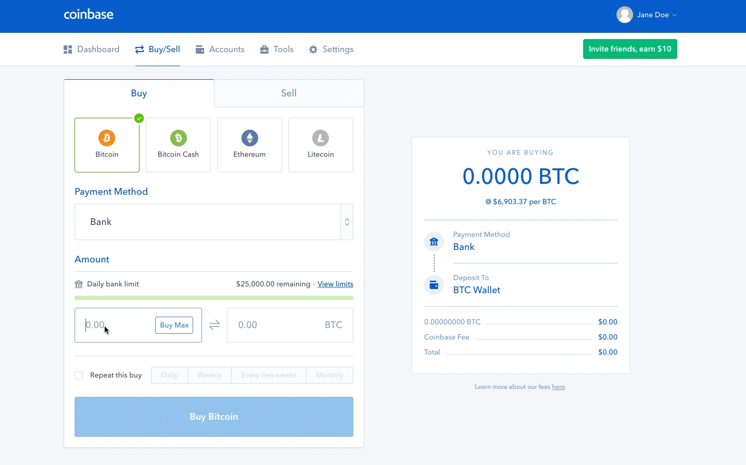
Mainstream exchange to buy and sell Bitcoin: Coinbase

Founded in 2012, Coinbase is one of the oldest places to buy and sell Bitcoin and its widely regarded as the most respected crypto platform because of its U.S. roots. Coinbase provides its users with crypto wallets to store their coins and it also serves as an exchange to trade coins. Users can buy and sell Bitcoin, Ethereum, Bitcoin Cash, Litecoin, Stellar, and Ripple on Coinbase.

One of the factors that make Coinbase a respected Bitcoin platform is that it holds 98% of user funds offline to mitigate against hacks. In addition, user’s cash balances on Coinbase are insured up to $250,000 in the unlikely event that coins are stolen in a hack. Coinbase also fortifies its wallet with two-factor authentication and it keeps redundant paper and digital backups to make it easier to recover user accounts when needed.

The major downside to Coinbase is that it seems to be built purposely for U.S. users; for instance, it charges a variable transaction fee of 1% for U.S. transactions and foreign transactions tend to attract higher fees. Coinbase also allows you to buy Bitcoin with credit cards for which it charges an additional 2.49% fixed fee.

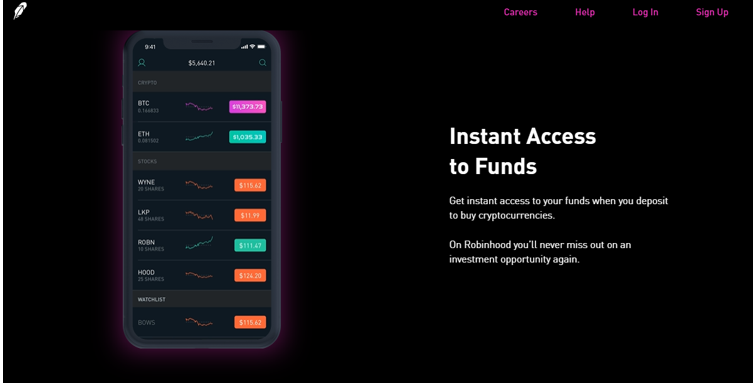
The cheapest place to buy and sell Bitcoin: Robinhood

If you are in the United States, Robinhood crypto is probably the cheapest solution for buying and selling cryptocurrencies. Robinhood built its business around offering stock brokerage services to users at zero costs. Robinhood has extended its services beyond stock brokerage to providing a platform to trade cryptocurrencies.

Robinhood Crypto allows you to buy and sell Bitcoin while supporting about 16 other coins. It also allows its users to place market orders and limit orders. The trading app combines your stock and crypto accounts and it is available on the web, iOS, and Android.

Robinhood remains the cheapest platform to buy and sell Bitcoin because it doesn’t charge any fees overtly or covertly. The downside, however, is that Robinhood is only available in the U.S. and only in about 16 states; hence, many potential users are excluded. 

Ideal place for professional traders to buy and sell Bitcoin: Binance

Instead of trading with fiat currencies such as USD, Euro, and Pounds, you can buy Bitcoin with other cryptocurrencies and you can sell Bitcoin for other cryptocurrencies. 

Cryptocurrency exchanges typically serve as platforms to trade one cryptocurrency for another. Binance appears to be the most ideal place to buy Bitcoin with other cryptocurrencies. 

Binance provides support to trade more than half of the coins, altcoins, and tokens in the crypto market. It also provides support for a long list of stablecoins. Professional traders will also be at home on Binance because of its advanced charting feature, margin options, crypto lending, and futures trades. If you want to become an active cryptocurrency daytrader, Binance is probably the place to be.

The downside, however, is that Binance is not insured and even though it boasts of excellent security users might not have much respite if the funds are stolen. Earlier this year, Binance suffered a hack in which more than $40 million worth of Bitcoin was stolen. Binance offered to cover the cost of the hack but the success of the hack raises questions about what will happen is hackers succeed in stealing larger amounts of coins. 

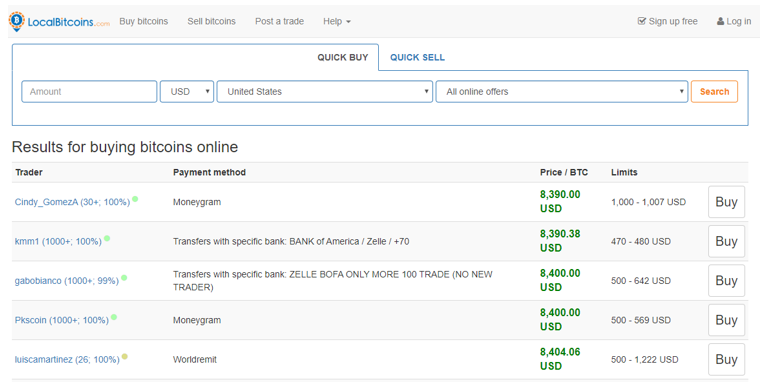
Most preferred Peer-to-Peer platform buy and sell Bitcoin: LocalBitcoins

If you’d rather buy and sell Bitcoin directly from other people, you might want to consider peer-to-peer trading exchanges. LocalBitcoins allows you to connect with thousands of Bitcoin buyers and sellers all over the world, negotiate trading terms, agree on payment methods, and trade the coins informally.

Many people prefer buying and selling Bitcoin on P2P platforms because of the relative anonymity that such platforms offer. After negotiations, the seller will put the amount of Bitcoin to be sold in escrow, the buyer will make payment through the agreed payment methods, and the escrow service will release the coins to buyers once the seller confirms payment. 

People using LocalBitcoins often use a wide range of payment methods include Moneygram, Bank transfers, gift cards, and cash. LocalBitcoins also allows you to filter trades by amount, currency, location, and payment methods. LocalBitcoin, however, charges a 1% fee on trades in addition to the transaction processing fees charged by whatever payment method you choose.

Conclusion

The value of Bitcoin has grown from barely $0.02 since its launch in 2009 to more than $19,000 in 2017, and now about $9000. The potential value of Bitcoin depends on its widespread acceptance, integration into global financial services, and the faith of investors during the inevitable bear cycles. 

Cryptocurrencies are an emerging asset class and Bitcoin is the yardstick for predicting where the cryptocurrency industry is headed. Bitcoin is however volatile because of its speculative nature; hence, you should not put more money than you can potentially afford to lose in a Bitcoin trade. 


You don’t need a huge income or tons of spare cash to start investing in stocks.

All you need is the right attitude, and a basic understanding of the market. Over the years, countless financial experts have proven that investing in stocks and shares is a fantastic way to grow wealth and tap into new money-making opportunities. However, if you’ve never been involved in the stock market before, then it’s difficult to know how to get started.

Here, we’ve put together a few quick tips to get you investing in no time!

Step 1: Decide How You’re Going to Invest

There’s no one-size-fits-all strategy to investing in stocks. Some people take the simple approach and work with a broker to get the most out of their money. If you don’t know much about the stock market and you feel uncomfortable doing all of your research yourself, then a professional financial advisor or robot advisor might be a must-have for your investment campaign.

On the other hand, if you’re the DIY type who prefers to do everything from scratch, you might decide that all you need is an online broker account to get started. You’ll also need to make some other decisions about your investing plan too. For instance, are you going to use your own cash, or even a loan to invest? What does your risk level look like, and how much can you afford to lose? Are you going to invest every day, or just now and again?

Step 2: Find your Investing Account

Once you’ve decided on how you’re going to invest, the next step is to create an account with a brokerage. You’ll need an account no matter what kind of strategy you’re thinking of using. These accounts are how you send orders to buy or sell stocks in the exchange. If you decided that you want to do everything yourself, then all you need is a basic online brokerage account. You’ll be managing this interface yourself, and using it to choose the stocks and shares you want to invest in.

If you’d like to take a more passive approach to investing, then you could consider using a robotic advisor instead. Robo-advisors are a more recent addition to the stock market, specifically designed for people who need a little help getting the most out of their money. Although you pay a little extra for the guidance, it’s well worth it if you’re a beginner and you want to make sure that you’re putting your money to good use.

Step 3: Know What Kind of Stocks to Invest in

If you’re taking the DIY route and choosing stocks for yourself, then you’ll need to know the difference between stock mutual funds, and individual stocks. Mutual funds, or exchange-traded funds are the options that allow you to buy pieces of a lot of different stocks at once, using just one transaction. This allows you to diversify your portfolio, even if you only have a small budget to work with. However, it’s worth noting that mutual funds aren’t as likely to earn you a lot of money at a rapid pace as individual stocks are.

On the other hand, individual stocks allow you to get your own piece of a specific company. You can buy shares or a few shares of a specific brand as a way of testing the stock market waters for the first time. Ideally, you’ll want to buy a lot of different kinds of stocks in the long-term to create a diversified portfolio. However, this can take more time and money if you’re buying one individual stock at a time. The benefit of mutual funds is that they’re already diversified.

Step 4: Get Investing!

Once you’ve got your trading account, you know what your strategy looks like, and you have an idea of the kind of stocks you’re going to be investing, the next step is to start investing. Stock investing isn’t something that you’re going to become an expert in overnight. It takes time and focus to create a portfolio that’s going to earn you a lot of money in the long term. However, if you commit to gradually developing your skills and paying attention to the stock market, you’d be surprised by how much you can earn.

Even if you’re only investing money passively with the help of a broker, investing is often much better for your money in the long-term than simply leaving your cash sitting in a bank account to stagnate.

Your credit score is an important indicator for determining your ability to make major purchases or pursue lines of credit such as a small business loan, however, all too many people have little understanding of what a score means and how it is calculated. If you’re new to credit scores this guide will help to demonstrate what your score is, why it matters and how to make it go up.

What is a Credit Score?

At its most basic level, a credit score is a numerical rating which is designed to signify to potential creditors how suitable you are as a credit recipient and how risky of a proposition lending to you will be. Ideally a creditor is looking for an individual who has a history of using their available credit but also making their payments on time, as this is the most profitable structure for the lender. The scale reaches as high as 850, and typically scores under 620 are considered poor, above 690 deemed good, and above 720 signifying excellent credit.

How Come My Scores Vary?

Although credit is commonly discussed in terms like “your credit score” that is actually a misnomer, as nobody has one single credit score. Instead, there are many different credit reporting agencies, and each has its own credit scoring models for your score which can vary based on the method of calculation as well as the different creditors which report to the agency.

Most commonly creditors will refer to one of the three major credit reporting agencies — Equifax, FICO and Transunion — when checking your credit prior to deciding to offer you a line of credit or not. Because you can’t be sure which credit reporting agencies will be consulted with on your next application you should aspire to practice strong credit behavior in general instead of tailoring to a single report in order to maximize your score across all reporting agencies.

Why Does a Credit Score Matter?

If you are intending to make a major purchase such as buying a home or a new car, or are looking to take out a loan to start a new business or as a short term bridge, then your credit score will play a huge part in the process. Not only will creditors check your score in order to determine if you will qualify for credit or not, but it’s also not a simple yes or no proposition. 

Even when having a low credit score does not prevent you from being offered a line of credit from a creditor it can result in less favorable terms for your loan. This can manifest both in having a lower borrowing potential which limits how much you can receive or in the form of paying a higher interest rate. Because interest compounds over time having a higher interest rate can result in significantly higher total costs to pay off your loan or credit card, so getting the best possible rates is highly important when applying for credit.

What Affects My Credit Score

Although the exact formulas used by each credit reporting agency may be proprietary, that doesn’t mean we simply have to guess about what will improve scores. Here are the six main points of consideration in determining your credit score:

  • Hard Inquiries: There are two types of credit inquiries, hard and soft. A hard inquiry occurs when a potential creditor checks your report, and too many of them in a short period of time can hurt your credit score.
  • Total Accounts: Your number of active credit accounts also plays a part in your score, with too few being seen as a possible negative mark. Less than five is very low, while over ten is preferred.
  • Credit Age: A long credit history allows a reporting agency to trust its data more, and so you benefit from keeping old accounts open even if you are not using them.
  • Derogatory Marks: If you have any negative information on your credit history, such as loans which went into collections, bankruptcies or defaults, it will have a strongly negative impact on your overall score.
  • Payment History: The easiest way to tank your credit score in a hurry is to miss payments on accounts which report to credit agencies. You should always make at least your minimums to avoid negative marks on your credit report.
  • Credit Card Utilization: Your credit utilization is the percentage of total available credit across all your cards which you currently owe. Keeping this as low as possible, ideally less than 30-percent, is an important part of maintaining strong credit.

How Can I Fix My Credit?

Every United State citizen is entitled to a free annual credit report, and credit tracking apps provide an easy way to monitor your credit in real-time in between your free, in-depth reports. If you discover that your credit is low and in need of repair it’s time to start addressing the six bullets above. A tracking assistant can help you to fine-tune your plans, or you can work on your credit on your own by finding areas where you are not within the ideal brackets for scoring and working to rectify the problems that are harming your score.

Raising your score opens up many opportunities, but it takes time to have a big impact. Even if you don’t have any major purchases or loans in your near future you should start thinking about your credit now so it’s strong when you need it to be.

As a business owner, you know that keeping track of expenses and profits is always a priority because you need consistent revenue to cover your operational costs. If your company is like others, affected by the ups and downs of the economy, you may be interested in ways to continue making money that isn’t dependent on the strength of your consumers’ wallets. With your profits, consider making the following investments to strengthen your company.

One: Invest in Improvements

Rather than simply setting aside a certain percentage of your profits to go toward improvements, be strategic about where that money should go. Many business owners take a look at the most effective business improvements to encourage growth or put money toward researching ways to attract new customers. Depending on your strategic plan, you may choose to upgrade equipment, hire new employees, or introduce new procedures that reduce expenses.

Two: Invest in Human Resources

Have you struggled to attract new talent? Do your employees have a high turnover rate? The time and money you devote to attract and retaining quality workers can improve productivity and boost morale. Investments, such as continuing education and benefits packages, can keep existing employees happy. It doesn’t make sense to hire one new employee after another; new hires are much more expensive than existing employees.

Three: Invest in Your Own Education

Your entrepreneurial skills are at least as important as the quality of the product or services you’re selling. If you struggle to communicate with peers and competitors or if you aren’t a consistent boss, you may be losing out on valuable opportunities. As you continue to promote your company, make sure you’re spending time in classes on management, relevant technology, or best business practices.

Many entrepreneurs didn’t study business management in college. Instead, they may have hired a career coach. This way, those entrepreneurs can learn how to put together a business strategy, how to manage employees, and how to attract investors, for example.

Four: Invest in Getting the Word Out

Marketing can make or break a company, so it’s always a good idea to put some of your profit toward a good marketing strategy, especially one that includes digital options. If you’re a brand-new company, invest some of those early profits in marketing as soon as possible. Along with looking for a great marketing plan, make sure you invest in software that tracks performance, measures the effect of campaigns, and evaluates your success with various marketing strategies.

Five: Invest in Online Branding

Do you have a website for your company? How often does the content refresh? Which keywords do you include in your content? If your business name isn’t popping up at the top of a search engine results page, you may need some help in this area. There are some useful online resources, but the best tactic is to pay experts who know how to get your website the attention you need.  

Six: Invest in Experts

Maybe you own a small company that produces handmade items for babies, and none of your employees knows how to do business taxes. It makes sense to hire a tax accountant to handle this part of your business. Take stock of the tasks within your daily operations. If there are some that could be done better (and maybe less expensively) by outsourcing those responsibilities. This is most important in areas of your business that require specialized training or certification.

Seven: Invest in Savings

There are great opportunities to put your profits to work making money. Of course, you need to be sure you have enough money set aside for emergencies and existing expenses, but once you can start putting some cash into a 401(K), some stocks, or bonds, you may enjoy a steady increase in your cash flow. If your existing profit margin is still a little low,  you could consider a business loan, such as those at https://www.quickloansdirect.com/, that could help you get started. Individuals often consider borrowing to begin investing. In fact, individuals and businesses use those investment loans to create leverage.

As a business owner who hopes to increase profits and see steady growth in your company, you may find that these investments are a great way to focus on improving. Remember to stay focused on where you hope to be a few years down the road and put your money toward those investments that will help you reach that goal.

We just held our webinar recording for the new features this Fall – if you were not able to attend, you can find a recording here:

Everyone agrees that having a clean slate to work with is the best thing. A clean slate is a perfect way to “smoothly” start towards a fruitful outcome. This “clean slate” is the same reason why creditors and banks often want their debtors to have clean records when it comes to their credit scores.

For one, having a good credit score puts creditors at ease. Creditors will be more likely to trust a person who comes to them with a good credit score. Credit scores are often between 350 to 850. A score of 650 and above means that you’re likely to be more trustworthy. If your score drops to below 650, this is where the problems start.

Having low credit scores can severely hamper your applications. For one, a 2012 study shows that companies use credit checks to hire their employees. Most mobile phone providers also do credit checks and find that an unusual number of people don’t qualify for deals they have. As you can see, having a low or bad credit score can be a bad thing.

Don’t fret. There are ways to help you up that score of yours. Read below to find out how you can gain the trust of your creditors. By the time you religiously follow these facts, you’re well on your way to a good credit score.

It “Pays” to be on time

Don’t mind the play on words, but it does pay to be on time, especially if it’s about paying your bills. Most creditors and lenders are interested in how “on time” are you with paying your bills. Creditors like to look at your payment behaviors because they consider this a good tell of your financial futures.

Hard as it may be, you have to pay your bills on time and in the correct amounts. Bills not only include loans and credit card bills; they also include power bills, phone, and even your rent. If you’re behind payments, resolve them as fast as you can because these can impact your credit scores in the long run.

Old Debts can help

Sure they do help but only if your payments were made timely and without fail. These kinds of debts should be left behind on your credit report. You shouldn’t be hasty in removing these kinds of information off your report. The reasons? These records can help your creditors to see how good and trustworthy you are when it comes to your bills.

Think of it as a positive “Track record” for your payments done in good faith in the past. Don’t worry about having to stick with these records. Proven that you resolved it in time, any debts that have negative consequences to your credit score, are always removed from your report.

Don’t push it

Almost everyone has a credit card nowadays. A credit card is a sort of a “power” or a boost for most people. Although it might be cliche, “with great power, comes with great responsibility” holds very accurate to credit cardholders. Don’t ever exceed your credit card limit as this is one of the red flags that most creditors look at on your credit report.

Carrying multiple credit cards isn’t going to help either. Always be responsible with what you have and don’t impulsively spend on things that may hurt you and your credit score.

Clearing off debts

As mentioned earlier, most creditors often want to work with people who are a “clean slate.” As a debtor, you should always try to clear off debts before applying for any other new loans. If you can’t clear them off entirely, at least try to keep them to a minimum. There are programs from banks or creditors that can help you save money and pay off your debt quickly at the same time.

Balance transfers, for example, can significantly help you pay off that credit card loan. However, do be aware that balance transfers can positively or negatively affect your credit scores, depending on Credit Score Trends that come and go. Always ask and know the intricacies before diving right away into any program.

Getting Professional Help

When you’re downright confused and don’t know what to do about your credit scores, don’t do anything drastic. Always consult a financial expert for some tips and advice on how to positively affect your scores or reports.

Programs do exist wherein a creditor offers them to people to help pay up past debts and loans. The risk with these programs are that most people jump right away at the chance of paying off their debts. What happens is they get to pay off their debts now, while they have to go through complicated processes or even more liability in the future. To avoid any mishaps, always consult with a good financial expert. Don’t be afraid; get help when needed.

Patience is Perfect

If you’ve been up to the task with paying off your debts, then it’s good to relax responsibly now and then. Don’t burden yourself with having to raise your credit score overnight. It’ll happen eventually, just have patience. Don’t rustle through your mind of what could have been and what couldn’t as it’ll only add stress.

Takeaway

A good credit score is what most people nowadays are aiming for. Creditors and you as the debtor alike should know how significant a credit score holds. Keeping a low credit score may not affect you now, but it will in the future. Most debtors don’t bother doing business with people who have terrible credit scores.

If you think that you’re rapidly dropping down to that dreaded credit score, then doing the things mentioned above should help you slow down or even help you raise your credit score.

We live in a hectic digitized world where hacking and data theft are rampant. Every time you connect to the Internet, you become exposed to numerous threats. Cybersecurity is therefore paramount. For a corporation, security breaches may result in immense financial losses.

As a consequence, increasing numbers of companies are enhancing their computer systems with VPNs. There are good reasons to do so, and the benefits are immense. Regardless of the size of your business, unsecured Internet connections may cause trouble.VPNs, the most reliable of which are covered on VPN-review, are a wise solution to the problem.

A virtual private network is a powerful tool to reinforce your digital defenses. They render your connection impenetrable for hackers and safely conceal a user’s actual IP address. Overall, this handy tool ensures solid encryption of data transmission and security of access to any web services and apps.

1. Safe Data Access.

Most businesses nowadays store all kinds of corporate resources in clouds. In the past, all the information was stored in data centers, including software and back-office applications. Now, with things like Dropbox or Google G Suite Business, this scheme is obsolete.

Cloud destinations may contain all customer and employee information, including payroll. Your staff may need to access the cloud for corporate apps. Additionally, when business trips are involved, users have to open those files remotely.

In all cases, the connection should be encrypted and therefore protected from third-party interference. Although cloud storage services often come with a certain degree of protection, it may hardly qualify as comprehensive. A VPN will allow you to boost security without large investments in advanced software. Personalized VPN channels provide staff with secure remote access.

2. No Geographic Blocks.

In countries with tough Internet laws, your traveling employees may be unable to access the resources they need. In China, for instance, even Google is now blocked. A VPN eliminates all kinds of annoying geography-based restrictions. Not only will your staff enjoy the freedom of web search, but they will also access corporate resources and any geo-blocked sites.

This feature also presents a significant benefit of VPN for marketing. If your company is planning to enter foreign markets, it is essential to conduct thorough market research, learning about the tastes and perception of international consumers. Google results, however, as location-based. With VPN engaged, search engines will display results in the same way your target audience sees them. Hence, if you are interested in the preferences of American consumers, you will set your VPN location to the USA.

3. Reduced Costs.

VPNs offer affordable rates incomparable with sophisticated cybersecurity systems. This means a perfect value for money. A VPN will help you boost productivity and security overall, and for a moderate fee.

Most often, you will be charged less than $10 per month, which is negligible for a business. Individual VPN service accounts for all employees are a wise investment, as well as reliable hosting or managed endpoint security.

Unfortunately, being involved in a criminal lawsuit can have a multitude of collateral consequences both in your personal and professional life. As an entrepreneur, what you do in your personal life can also have a huge impact on your business. When you display an unethical behavior, your business will have to suffer too if you fail to manage the situation in a way that protects your business’s reputation. 

In the business landscape, protecting your reputation as an entrepreneur is already challenging enough. But with the involvement in a criminal lawsuit, things can become even more difficult. Reputation management both in the online world and among your business contacts is vital in reshaping the public perception about your brand and your capabilities as a business owner.  

If you are involved in a criminal lawsuit, protecting your business’s reputation until you prove your innocence will require a solid strategy and a few professionals to help you throughout the process.

Hire a professional criminal defense attorney

There is no other better way to protect your and your business’s reputation than proving your innocence in the criminal lawsuit. Having a criminal conviction will have a huge ripple effect both on your reputation and on your company. Thus, you must ensure that you have a professional legal team on your side to help you prove your innocence or minimize the chance of an arrest.

Hire an experienced criminal defense attorney to help you understand your rights in your situation and to offer you the best legal support in avoiding a conviction. When choosing an attorney, you must see it as an investment for your own good and your company’s good. Only a top-notch attorney will help you fight to prove your innocence and regain your freedom and a clean criminal background.

You are a human before you are an entrepreneur   

We are all humans before we are our professions. Mistaking is a very humane thing. However, a mistake you make in your personal life rarely affects your capability to perform at optimal levels in your professional one.

Thus, your customers, business partners, and employees must know that your criminal lawsuit has no consequences on the way you do business. In order to protect your reputation as an entrepreneur and the reputation of your business, you need to show your business contacts the line between you as a person and you as an entrepreneur.  

Manage your business’s online reputation

In today’s digital world, your business’s online reputation is paramount for its success. Today’s customers rely on the internet to find and read the reviews and experiences of their peers before making their purchase decisions. when they will look online for your brand, they will most likely find information regarding the lawsuit you are being involved it.

Luckily, you can manage your business’s online reputation with SEO. Search engine optimization is by far the best way to manage the google results your audience will see when searching for your brand. Develop pages that rank when the customers will search for your name or your business. Creating social media accounts will also help your online reputation because the firs results that usually appear when people search on the internet for a business are its social media pages.

Another great way to manage your online reputation is to hire an online reputation management firm. The professionals can help you develop a strategy to manage your online presence in a way that your criminal lawsuit won’t affect your company.

Transform your situation into something good

In today’s labor market, all companies run a background check on the candidates during the recruiting process. Often, although it is illegal, the candidates who have a criminal record are being discriminated and not hired due to this reason.

Having a criminal record doesn’t necessarily mean that you are a bad person or that you are not qualified for the job. Everybody could have made a mistake in their past and it is not morally right to judge them or their capabilities in the present moment depending on that. Thus, it is wrong to judge a candidate based on a criminal record.

When you are being involved in a criminal lawsuit yourself, you can use the situation in the advantage of your business by creating a program that encourages candidates with criminal records to apply to your job. The public opinion is aware of the fact that discriminating someone based on a past mistake is a wrong thing. Thus, if you show empathy to the disadvantaged candidates in the labor market, your business may be seen with better eyes by your customers. Businesses which seem concerned and are willing to get involved in solving hot points for the common good are more willing to be seen with a good eye by the public opinion.

For example, a non-profit organization called Progressive Prison Project, owned by an entrepreneur who himself had a criminal conviction, supports business owners who have been accused of or charged with a criminal offense. This is a good example of how to transform a controversial mistake into something good for your business reputation. You will build a company culture that is against discrimination and promotes acceptance and diversity.

Continue to be a successful entrepreneur

There is probably no worse idea in your situation than to neglect your responsibilities as an entrepreneur. When being involved in a criminal lawsuit, you certainly experience psychological stress and a wide range of negative emotions. However, your business’s success can’t afford you to allow yourself to be distracted and not fulfill your responsibilities. Your customers, business partners, and employees must see your level of professionalism and experience as an entrepreneur even in difficult times.

Bouncing back in the business landscape from your mistakes can be difficult. It takes time, patience, and a powerful strategy to reshape how your business is perceived by the public opinion.

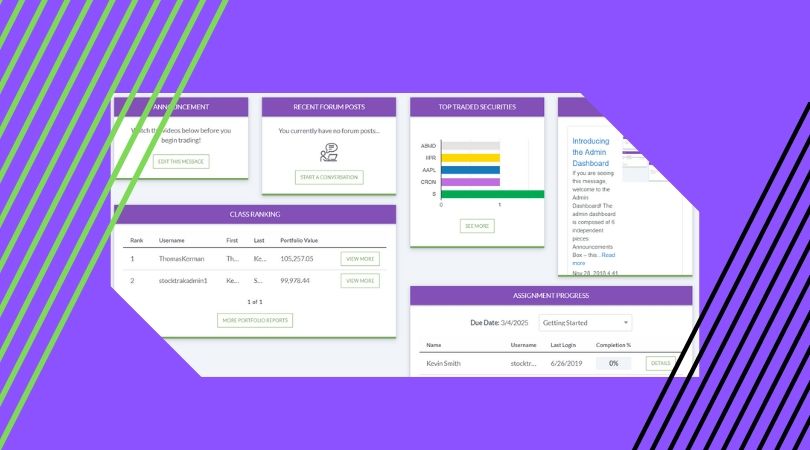
The Fall 2019 semester is almost here, and we’ve been busy over the summer! Here’s a highlight of some of the awesome new features we’ve been working on – with more on the way!

Feature 1: Class Management Report

Is there anything more frustrating than trying to lead a classroom of students who forgot their passwords? Maybe, but at least this will be a thing of the past!

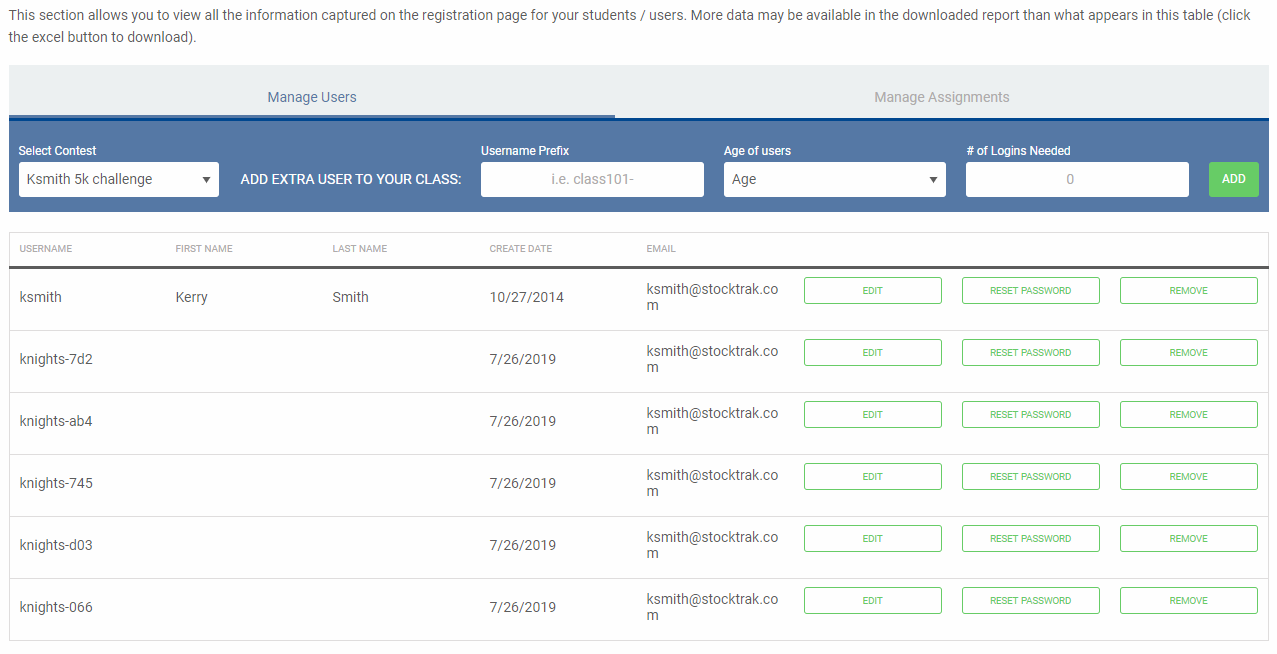
Our new “Manage Users” page is a new report for teachers. You can see a list of every student in your class contest, plus handy administration tools. You can now edit the usernames of every student, and reset any student’s password at any time! This is a new button on your “My Contests” page, right next to your teacher rankings and download buttons.


Feature 2: Generate Accounts

That’s right – we added a whole new way for teachers to get their students added to their class! On HTMW, we always give teachers a registration link to share with their students, then the students pick their own username and password to register. However, not every school wants students to enter their names or email addresses when registering, so we also added in a way for teachers to request logins!

As part of the new “Manage Users” page, teachers can also request student accounts. Just tell us a prefix, and we’ll give you as many usernames and passwords as you need! Distribute them to your students and they can log in and start trading without entering any personal information.

Once the accounts are created, you can then customize each username and reset passwords, just like regular student accounts. How refreshingly easy!

Feature 3: Fewer Ads

Thanks to generous contributions from our sponsors, we were able to remove pop-up ads from HTMW! The site is still supported by advertising, but now is less intrusive for classrooms.

If you are interested in removing ads entirely, and want access to our personal budgeting game, 300+ lesson curriculum library (with built-in assessments), Career and Internship center, Investing101 course, full teacher reports, and revamped student trading, check out our premium version at PersonalFinanceLab.com!

If you haven’t set up your classes for this fall yet, make sure to log in and do it now!

At the early stages of any venture, financing is an ever-present need. Whether you require it to add to the business’s capital or to cater for its daily operations, savings and investor’s money may not always be enough. You will need lending institutions to help with the finances.

Unlike large established companies, a startup is yet to become stable. This means that the venture may be lacking collateral, a credit history, enough cash flow, or proof of its ability to pay back the loan. These are all requirements to get a business loan approved.

You may easily get funds from alternative and small business lenders. But in most cases, small lenders may not provide sufficient funds to meet the business’s needs at such a time of growth.

In the case of startups and small-sized companies and businesses, commercial banks will be keen on the credit rating of the owner to determine whether or not they will lend the business, how much they will lend them, and at what interest rate.

Let’s understand the term credit score, which is also known as a credit rating, and why it is a major player in determining credit qualification.

What is a Credit Rating?

A credit rating is a numerical representation of your ability to pay back a loan. The three-number digit is an indication of the level of risk involved in giving you a loan. A high number shows you are unlikely to default while a low figure shows you are a risky borrower.

The number is computed from data existing from your credit report such as credit history, frequency of applying for credit, balances, and amount of credit used out of the provided limit. Any time you default, make a late payment or file for bankruptcy, there is a drop in the credit score.

So where does the link between personal credit and business credit stem from?

Its Legal Structure

A major distinction between the various forms of business is the liability to loans and other obligations.

In the case of a general partnership and an enterprise that is under sole ownership, the partners or owner are personally liable for all the liabilities the business carries. They can face legal charges for broken contracts, unpaid loans, and debts.

In a limited liability company and corporation, the law in most countries treats the business as an individual, separate from the owners. The business is capable of owning property, suing, and getting sued. In case of default on debt, no action can be taken against the owners, but the entity is held liable.

General partnerships and sole proprietorships are easy to form, and most small businesses take this structure. Lenders, therefore, have to be careful when offering financing to these enterprises. They need to be sure that in case the business is incapable of paying the loan, the owner can step in and make the payments.

A Tie between Enterprise Finances and the Owner’s Finances

Even in cases where the enterprise is legally separate from the owners, the owners get involved in the enterprise’s finances. This is due to the fact that small businesses unlike more established enterprises do not easily access credit from lenders because of the high risk involved.

Here are several situations where personal and business finances are intertwined.

  1. a) Some owners take up loans under their name to finance the operations of the firm. Due to the firm’s inability to acquire business loans under favorable terms, most owners opt to fund their businesses using home-equity loans. Compared to business loans, home-equity loans and lines of credit are more accessible than business loans.
  2. b) Consumer credit cards offer an easier alternative for firms to finance their daily operations, and most owners opt for the method. A report by Intuit indicated that small businesses, at the time of the study, owed about $150 billion in consumer credit card debt.
  3. b) In some cases, lenders request for security in the form of assets. Most startups and small enterprises may lack valuable assets that can adequately act as security. Business owners, in such cases, opt to use personal assets as security for the business loan.
  4. c) Business owners personally guarantee the unsecured loans that their firms take. A personal guarantee is a promise to pay back a realistic instant cash loans in case the enterprise fails to meet payments. It is a written agreement that allows the lender to pursue the assets of the guarantor in case both the business and guarantor default on payments.

The interconnection between personal finances and a small business’s finances is undeniable. When the business is unable to meet its obligations, the owner steps in. For this reason, the lender needs to be sure that the owner is in a position to adequately cover the debts in case the need arises.

As an enterprise owner, how do you ensure that your credit does not affect the business’s ability to obtain financing?

Improve your Credit Score

Before the business grows and becomes stable, lenders are always going to look at your credit score as a determinant in obtaining credit for your business. As the owner, you can help the business in its financial struggles by ensuring that your score is good enough.

Here is what you should do.

  1. Pay your bills on time. This includes your student loan debt, auto loans, rent, and utilities.
  2. Keep the balances on your credit cards low. A low credit balance keeps your credit utilization ratio less than the recommended 30%.
  3. Check the accuracy of your credit report regularly and dispute any discrepancies you find.
  4. Do not apply for new credit unnecessarily. It creates hard inquiries that negatively affect your rating.
  5. Keep the unused credit cards open. It keeps your credit utilization ratio low.
  6. Let the old debts such as student loan and auto loan remain in your report, but only as long as you made the payments on time and in full. It will increase your score.

Build an identity for Your Business

If your business is a sole proprietorship, incorporate it. It does not just lift the burden of the legal liability off your shoulders, but it also improves the chances of finding new investors.

Obtain a tax identification number, open a new bank account for your new business corporation, a business phone number, and obtain business credit cards.

Work with an attorney to ensure you take all the steps, pay all required fees, and file all necessary paperwork with the right local and state authorities.

In the case of a general partnership, converting the business into a limited liability company is the best option. Changing it into a limited partnership may fail to have the desired result of having no legal liability to the business’s debts. This is due to the fact that at least one general partner is required to run the enterprise.

In case of failure of the business, separating your business and personal credit protects you from losing assets or using personal finances to pay off loans and debts. According to Small Business Association (SBA), half of the small businesses do not survive past the first five years.

Final Words

Small enterprises will always need to borrow credit, and this is the task of banking institutes – to finance these businesses. The only problem is that there is a high risk involved in financing a new business.

For this reason, these lenders will not just check the enterprise’s credit history and performance, but the owner’s as well.

If your personal credit is poor, then the chances of obtaining funds for your venture are low. To prevent this, ensure your credit rating is high and if possible, give legal identity to your business.

By doing this, your credit performance will not affect your enterprise’s financing, and failure of the enterprise will have no adverse impact on personal finances.

You’ve finally made the decision. Your business needs to invest in itself. But this is not just any investment, no. This needs to be an investment that will bring in conversions, something that will notify the public of your business, turn their eyes toward your brand and get their feet in the door. You’ve even decided what you need – some great new signage for your storefront. Not only that, you’re thinking a total rebrand that involves buying all sorts of new signage and graphics for your company. However, your business has been having cashflow issues and you can’t quite scrape together the cash to outright buy something like this.

Of course, you can’t let this stop you, so you need to get the money somewhere. This is the sort of business expenses that you could probably go to a bank or a traditional lender for and get the credit you need in order to make the purchases, hoping that the money you make off of it will be enough to make the payments in time. However, this comes with its own issues. You don’t really want to stretch out your traditional lines of credit, unless you really need to. Likewise, getting a loan from a bank or another traditional lender for something like this is quite time consuming. It can take months just to get approved for the loan. And of course there is the question of getting approved in the first place. There are all sorts of reasons that going to a bank might not be the best decision.

Fortunately, there are other options. Oftentimes, the manufacturers of these products will offer their own financing options to you at significantly simpler terms than a bank would. Since they are the ones selling you the product, they can afford to be a little more generous in the risks that they take, hoping to see you pay them back with the extra money that the signage will generate for your business. They will also often allow several bulk payments for the equipment over a shorter period of time than a traditional loan. Of course, this will only be an option with large orders from some of the larger companies, as smaller companies oftentimes do not have it in their budget to do this and may not be able to fill the order in the first place.

If this option will not work for your business, chances are equipment financing would. These are companies that offer loans to businesses in your position. They usually secure the loan against the equipment you have purchased, that way if you don’t make payments they have something they can recover and at least receive part of their initial investment back with.

Finally, if none of these options will work for you, then chances are you just need to scale back your immediate expectations for this project. Instead of seeing it as an all or nothing, you could purchase some smaller, inexpensive sign options for the beginning of your rebrand and see what the ROI is on those. After they show a positive improvement in sales, you can go on to purchase more signage, having justified your assumptions. There are a number of different types of signage that would work for this. For instance, sintra pvc board is a very inexpensive material that can be custom printed to show whatever your company needs. You can have some printed with your new logo and whatever other branding options you need.

Chances are, there is a solution that will work for your business’ specific situation. All you have to do is be a little flexible and explore all your options. Finding the right partner for your printing needs is essential, as is understanding the terms of any financing options you may pursue. Once you have done all your research and spoken with a number of different companies, you can go forward confidently, knowing you have made the best decision for your company!

For the uninitiated, the term “stock exchange” could paint a picture of a raging bull in their head. After all, they know a little about it and what it exactly plays. You see, the stock market plays an important role in the financial system of the country and can be seen as a vital component for corporate enterprises to function as properly as possible.

What is more, stock exchanges are deemed as quite useful institutions simply because they provide a deluge of services to the investors. If you are planning to begin trading, or you already started with an investment platform, then it is imperative you understand the very fiber of about the stock exchange.

First, let’s talk about what a stock exchange is.

Stock Exchange Explained

By essence, a stock exchange refers to a platform that allows people to trade in financial instruments, such as bonds, shares, or derivatives, among others. Also called a share market, it is where investors can start buying and/or selling incentives. As far as its important functions are concerned, they are listed below:

#1. Marketability of Securities

A stock exchange is basically the very market when it comes to purchasing and selling securities as mentioned above. And since it is more than capable of providing a ready and continuous market for the said unit, the latter can easily be converted into cash – a process that can be done without further delay.

#2. Evaluation of Securities

In stock exchanges, expect all prices of securities to be determined by the demand of investors and the preferences of suppliers. Even more so, they are capable of integrating the very demand and supply of securities, as well as pinpoint their respective prices. This one right here, in case you did not know, is being done on a continuous basis. As far as the prices that are able to prevail in the stock exchanges are concerned, they are called quotations. These quotations, on the other hand, make it possible for investors to have the ability to evaluate the value of their shareholding.

#3. Safety of Investment

There are rules when it comes to how stock exchanges operate, as well as regulations and by-laws.  All of these have been created and approved by the government, bounding all members of the stock exchange. Do you know why stock exchanges are more than capable of providing a near-perfect type of market? Well, that is because they are able to make all transactions publicly known to the investors. In addition to this, they can steer clear over trading and speculation by way of having a variety of regulatory measures. These factors, when combined properly, make it possible for stock exchanges to ensure a much greater measure when it comes to safety and fair dealing with the investors.

#4. Facilitates for healthy speculation

It is speculation that always seems to take advantage of fluctuations in price movement. When talking about the securities market, you need healthy speculation in order to be successful in equating demand and supply of securities at various places. Moreover, it is responsible for regulating the prices of securities, a process it is able to perform to a greater extent. The mechanism of stock exchanges is specifically designed to encourage healthy speculation and, as a result, it enables the shrewd investors to quickly gain benefits from price fluctuations.

#5.Capital Formation

Capital formation tends to happen thanks to investments and/or savings. Stock exchanges are basically responsible for facilitating capital formation in the country. Their goal is to create a healthy habit of investing, saving, and even risk-bearing associated and present among all investors. The prices that are being quoted in stock exchanges simply suggest that very extent of companies and their popularity. Investors are then attracted towards companies deemed to be profitable companies; hence, they come forward and decide to invest their savings in the corporate securities. This process, in particular, is what makes it possible for stock exchanges to be successful in facilitating the flow of capital and bring it into more profitable channels.

#6. Regulation and Motivation of Companies

Companies that are looking to list their shares on a stock exchange are expected to follow a set of rules and regulations. For instance, they are all expected to submit any relevant data pertaining to their financial affairs. This information, according to the rules and regulations, must be submitted to the stock exchange on a yearly basis. In other words, companies listed can only safeguard their interest if and only if their financial performance is being monitored closely. That is why the stock exchange is capable of motivating these companies by quoting the prices of securities, especially for those that are hoping to significantly improve their overall financial performance. This also means that the stock exchange is able to bring forth the prevailing business conditions in the country.

Flipping houses seems like it would be a fun and potentially rewarding career, with HGTV glamorizing the idea of flipping homes with all of its popular television shows, such as “Fixer Upper.” However, if you don’t have the necessary skills, licenses, or cash to invest at the start, this pursuit may not be the best idea for you. 

Be sure to do some research, considering the qualities a successful house flipper should have before you jump into this exciting endeavor. If you aren’t really familiar with the homebuying process, you’ll want to first review the steps of how to buy a house. You’ll find out more about all the costs associated with that big purchase, including the inspection, the listing process and how to avoid fees as well as how to best be prepared for what might lie ahead and why it’s so important to avoid taking out loans.

In the meantime, ask yourself these questions to determine if you should proceed further.

Are you a realtor or licensed contractor?

A house flipper is usually a professional realtor or a licensed contractor too. If you can be your own realtor, you’ll likely be able to avoid at least some of the potentially high costs associated with purchasing and selling a home. At least a portion of the commission is just one of those costs, and you’ll also be able to host an open house when it’s time to sell and take care of many of the other things that come with the process. If you are a contractor, you can do the work to update the home and avoid paying another contractor to do it for you. Either one of these professions is sure to help you gain the largest possible profits on the property you plan to flip.

Do you have the cash to invest?

Obviously, cash is a big factor. If you don’t have the cash and need to take out a loan, you could end up getting less out of your investment than you put in. If you plan to flip a home, you really must have the cash both to buy it and to fix it up. If you take out a loan to purchase the property, you will pay higher closing costs, which can be up to six percent of the sale price. You’ll also have to pay interest on the loan while you’re fixing it up and while it sits on the market. Both of these costs will dramatically cut into any potential profit.

How comfortable are you with risk?

The real estate market can be a risky business. If you’re used to a lifestyle with consistent and reliable paychecks, you must seriously ask yourself if you would really be comfortable living a lifestyle where money will come and go, and your investments aren’t always secure. Experts typically recommend that you have considerable savings to help get you by in between sales and when the market is slow.

It seems like more and more startup businesses are appearing every year. In today’s business climate, everyone seems to have an idea for what could be the next industry-changing development. Because the internet allows for easier collaboration than ever before, it’s now more possible than ever to start your own business from scratch. But the biggest question a lot of people have when they think about starting their own business is: How do I fund it?

There are actually quite a few different ways you could potentially fund a new business. They all have their own pros and cons, so it can be difficult to determine what the best method is for your particular business. To help you get started, this article will break down a few of the options for funding a business, so you’ll have more information to work with.

Family or Friends

One of the first places you could consider looking for business funding is the people you know best. Family and friends are likely to believe in your cause, and if you know any friends or family members with some cash to spare, this could be a win-win proposition. You could get the funding you need, and if your business takes off, you could repay the friendly investment. Of course, one of the downsides of this approach is that mixing friendly or familial relationships with financial ones can sometimes get messy. One way to make the arrangement potentially better is to come up with a proposition or terms in writing. Even though you’ll be dealing with friends or family, treating the investment like it’s a real business transaction will help clear up any gray areas that may come up down the line. That way, everyone knows and understands the terms that were agreed upon, so it can minimize future disputes.

Government Grants

You may be surprised to learn that the government may be willing to fund your business under the right circumstances. The federal government gives millions of dollars in grants every year, but it’s likely that your business will need to meet some very specific qualifications in order to be considered for a grant. For example, there are grants for:

  • Minority-owned businesses
  • Women-owned businesses
  • Certain nonprofits or charities
  • And plenty of other business models

These grants are often designed in an effort to promote greater diversity in the business field. These are just a couple of examples, but you can visit grants.gov to get a more expansive list of the different types of grants that are offered.

Crowdfunding

There are a lot of different crowdfunding websites out there, including GoFundMe, Kickstarter, and other less common options. Crowdfunding has a very high ceiling but also a very low floor when it comes to raising funds. Some crowdfunding sites also have different rules regarding how much of the money you get to keep. Some sites may take a flat percentage off the top, while other sites require you to set a fundraising goal and meet that goal before you get to take any money home. If you fail to meet the goal, usually the money will be returned to the investors. You might also need to offer certain perks or packages to donors to incentivize them. The harsh truth of crowdfunding, however, is that unless your concept goes viral, you probably won’t be able to raise a significantly large sum of cash for your business.

Savings

If you have a good amount of money in your savings, you could consider pulling from your stash to help fund your business. Obviously, like any of the strategies listed here, this comes with its own set of advantages and disadvantages.

  • On the plus side, using your own money means you don’t have to sacrifice any ownership stake in your business.
  • But of course, the downside is that you’ll have to eat into your own funds. If you don’t have a particularly robust savings account, this tactic may simply not be a viable option.

Angel Investors

Investment firms or wealthy angel investors can be a great way to fund a business, provided you have the connections necessary to pull it off. If you happen to know someone who works at one of these businesses, then that’s a great place to start. But if you don’t have any connections, you’ll need a killer business plan with a lot of research to prove to investors that your business concept is a viable one. Nobody wants to invest in a half-baked business proposal, so make sure to do your work ahead of time if you plan on meeting with large investment firms or venture capital companies.

Online Lenders

With the rise of the internet, online lending is a growing industry that could be a great resource if you’re looking to fund a business. There are services that can connect you with a small business lender, and if you meet the lender’s qualifications, you could get a significant chunk of funds using this strategy. Of course, as with any loan, you’ll want to carefully review the terms before agreeing to borrow money. Failing to pay back a loan on time can negatively impact your credit score or your business credit, so make sure you have a strong budget and plan to pay back the loan, should you decide to go this route.

Banks

Although banks may be less willing to lend money for potential businesses than online lenders are, it may still be worth a try. Working with a bank might be inconvenient in some ways. For example, you may have to wait a long time at the bank for someone to help you, and they may not offer very competitive terms. Even more likely, they may simply decline to approve you altogether. You’ll definitely need a strong business proposal to increase your odds of getting funding through a bank.

Credit Cards

This strategy is not for the risk-averse business owner. Using credit cards to fund your business might seem like a good idea in the short term (and there are success stories of people using this method) but be warned that it could very quickly become damaging. Taking out a large amount of credit card debt puts you at risk of not being able to pay back the debt, which could lead to collections calls, lower credit scores, and other negative consequences. If you need some extra cash for a short-term purchase, a credit card might be the right move, but if you’re thinking about funding an entire business solely on the back of credit card debt, you might want to reconsider. While it’s easy in the short term, it could come back to bite you.


These are just a few of the various possible routes you could go to fund a business. As you can see, there is no one perfect source of business funding. Every option comes with its own benefits and potential downsides. The important thing is to choose a strategy that you are comfortable with, so you don’t end up owing more than you can pay back or damaging relationships along the way. It’s not a decision to be made lightly, so take your time and make the choice that’s best for you and your business.

Luke Loftin is a blog writer and an award-winning indie filmmaker. When he isn’t writing about himself, he specializes in finance and health, blogging about all sorts of topics including credit cards, personal loans, bank accounts, and the digestive system. He currently writes for LeadsMarket among other sites, and his articles are scattered all across the information superhighway. In his spare time, he enjoys listening to country music and watching his favorite sports teams lose. If you want to learn more about him, he doesn’t mind if you search his name on the internet.


Forex trading can be a thrilling activity that provides great opportunities to make money, but it can also be very stressful, especially if you’re very actively trading the market as a day trader does.

What is a day trader? A day trader aims to take advantage of price action fluctuations within a single trading session, closing out all his open positions before the session is over, starting fresh the next day. While day trading can be done in any market, it works best with very liquid markets, like the currency market (also known as the Forex or FX market).

If you want to become a successful Forex day trader, here are a few things you need to understand:

Know what influences the Forex market

You cannot trade the Forex market if you are not aware of the factors that influence currency values. Major Economic Indicators such as the GDP, the CPI, and the Unemployment Rate can help you get an idea of how well a given economy is doing. As these indicators greatly impact the currency market, it is extremely important to follow any economic and financial news and statistics that are scheduled during your trading sessions, as they can trigger higher volatility.

Choose your trading platform according to your needs

Choosing your broker isn’t an easy task, but it’s an essential part of your trading success, as you need to be sure the platform and trading conditions fit your investment style and trading needs. For instance, if you’re a trader using news trading, it would be best to pay fixed spreads, rather than variable spreads. Some brokers, including easyMarkets, do not adjust spreads based on markets conditions, as they believe you need to know in advance how much you will pay to open your trading positions.

Understand leverage and margin trading

Leverage and margin trading are powerful tools, tools you need to use wisely. Leverage magnifies price movements – thus amplifying your profits (and losses). Essentially, leverage allows you to borrow money from your broker. To open a trading position, you only have to put aside a small part of your position – this is called the “margin”. With leverage, you can take advantage of greater market exposure on each trade.

Develop a robust trading plan

While it seems obvious that you should create a trading plan, some traders believe it isn’t necessary to develop a structured method to trade, preferring to trade on instinct. However, the most successful day traders have trading plans, plans that they work on and update continuously.

Use effective money management

Money management rules are fundamental to your trading plan, as it can help you better protect your capital. Here are a few widely followed rules you might want to consider: only trade with money you can afford to lose, invest less than 2% of your total trading capital per trade, adapt the size of your position to the circumstances of each trade, use stop-loss orders, avoid averaging up/down, set a maximum loss per week (after which you take a break from trading), and take advantage of correlation for better portfolio rebalancing and diversification.

Have realistic expectations

Despite what you may think, Forex trading isn’t a get-rich-quick scheme – it takes time, energy and commitment to be a profitable trader over the long run. While trading can a very profitable activity, it isn’t the lottery. Having realistic expectations about how much money you can make, as well as being aware of the money you can lose, will help you move towards your trading goals and be consistently profitable.

Control your emotions

It can be very difficult to think rationally when it comes to trading, as money is on the line. You can easily be influenced by feelings like fear, greed, excitement, frustration or boredom, which can negatively impact your decision-making process. To avoid making any decisions in the heat of the moment, remember to follow your trading plan, no matter what. If you’ve earned (or lost) a lot of money, take a break and stop trading for a while.

You now have all the keys to become a successful Forex day trader, so get started to take advantage of the endless profitable trading opportunities of the Forex market.
Remember to test your trading plan before investing real money, and always protect your capital by following your trading plan and money management rules, and be patient, focused, disciplined and committed. Keeping a trading journal can also be very useful to review your previous trades and adjust trading parameters if needed, so then you can continuously improve your trading results.

Forex market is an amazing platform full of money-making opportunities for seasoned as well as novice traders. However, you should be ready to lose money if you’re not able to handle the basics well. There have been lots of debate by traders on the best approach to prevent loss in the forex market and the ultimate conclusion was that all traders should try to seek basic foreign education before practically entering the forex world.

Forex signals is certainly the first thing every trader should pay attention to as without signals it would become very difficult for the traders to carry out their trades.

The purpose of this post is to highlight the various reasons why forex signals are getting immense popularity in today’s fast-evolving forex world.

Traders Appreciate Signals for Many Reasons

The success of your trades mainly depends on your market proficiency and basic know-how about the forex field. But, it’s not very easy to become a successful trader without any professional help and assistance. Fortunately, market experts and forex gurus are continuously making efforts to explore different approaches, tools and resources that can make the entire trading process fuss-free and easy for them – forex signals being one of them.

Signals Make the Trading Process Easier

Research and analysis is an integral part of forex trading. A forex trader needs to dedicate his time and energy to assess market movements, price actions and other relevant aspects without which sustainability and growth in the forex business wouldn’t be possible. This apparently means you’re left with one option only i.e. to work as a full time trader only. But wait, did you know you can generate continuous flow of passive income for yourself at the same time continuing your regular job or any other side gig? With effective use of forex signals, you can focus on other areas of your business. Since, you’re not required to spend much time analyzing graphs, charts ahead of making a trading decision.

Traders Can Learn How to Trade Better From Signals

Forex signals acts as a learning curve for beginners. Through effective use of forex signals traders can have a better idea about how market changes impacts their investment. Also, the reverse math phenomenon helps trader learn how these forex signals relate to their trade.

By signing up with a legit forex signals company, you can get an opportunity to know about best entry and exit points. In addition to that, you can also get a clear idea about which specific currency pairs can bring about optimum results and profit margins.

Signals Provide a Lower Level of Risk

Risk management is certainly one of the most important aspects that a forex trader cannot take granted for. The more you can handle or minimize your risk, the better results you’ll achieve in the long run. Especially, if you’re a beginner, these signals can give you insightful information about latest forex trends that will help you make better and result-driven trading decisions. Since, forex signals are usually developed and distributed by seasoned traders, the chances of loss is significantly reduced. It’s similar to using services of a professional to play a game on your behalf. Just make sure to acquire services of a reliable and trustworthy provider with a proven success record to ensure you get the best trading results in the end.

Signals Are Run by Professional Traders

It takes years and years of experience and proficiency to know the essentials of forex trade. Even if you’re a pro, you might need to keep yourself updated with latest developments in the forex field to get the most out of it.

Forex signals is a proven and effective way to run your trades while using technical knowledge and proficiency of seasoned traders whose sole objective is to identify market movement, track price changes and hunt down opportunities that crops up in the forex market. By using professional signals service, you can sit back and relax as the most crucial part of research and analysis has already been done by the signal provider.
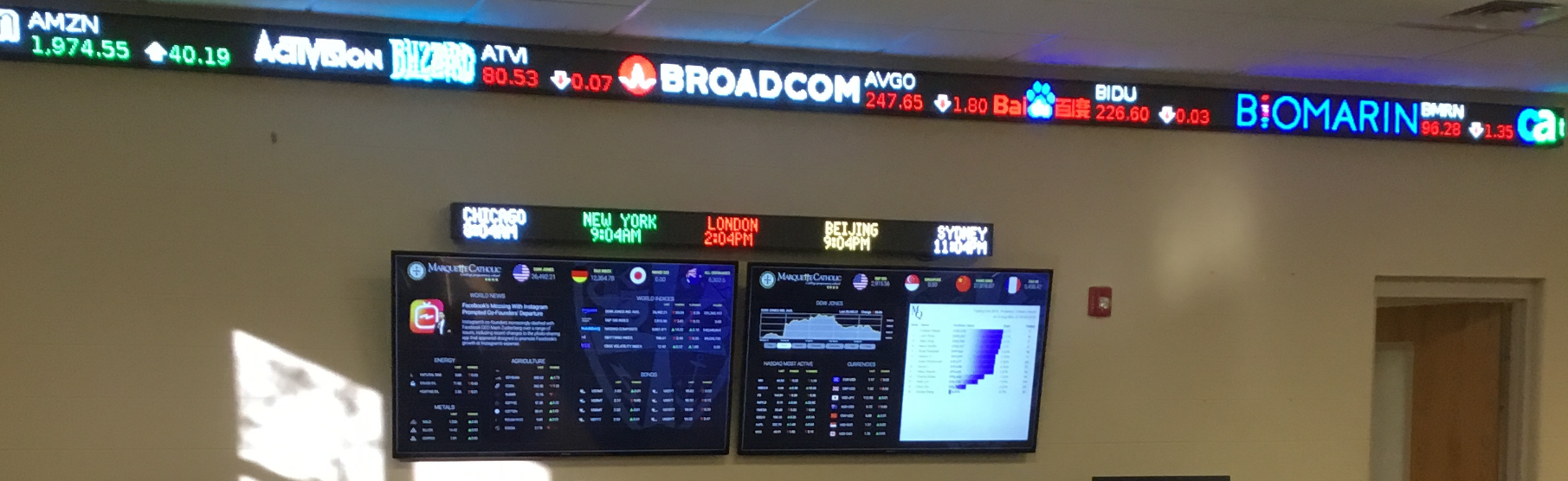
Knowledgeable Support

Forex signals usually come up with a support service that can be extremely useful if you’re not much aware of the general market rules. Apart from basic help, you can also inquire about things you’re not confident about.

Conclusion

At this stage, you must have a better idea about how forex signals work and why it’s important to seek professional help in today’s fast-moving financial world. The most important aspect you should consider is the quality of signals you’re receiving. This is where your research comes into play. Make sure to invest your money on a company that have reputable image in the financial world. Also, make sure to check out their time zone and channel of delivering signals as without this basic information, it would be difficult to take benefit from the forex signals.

We have worked hard to make HowTheMarketWorks.com is the best free stock market game – and it always will be! But did you know that there is a premium version of HTMW available with even more awesome tools to take your class to a whole new level?

Its true, and its called Personal Finance Lab!

Click the cards below to see the biggest reasons to upgrade to Personal Finance Lab next semester!


[expand id=”ex-ads” title=”No Ads, No Distractions” swaptitle=”Click To Collapse” trigclass=”arrowright”]

No Ads, No Distractions

dashboard

Our HTMW stock game is open to the public, and supported by advertising. That is great because we can keep it free, but can be a disadvantage for schools. Our Personal Finance Lab version strips away all the advertising – speeding up the site and keeping 100% of the focus on education. Big, chunky spaces for portfolio information (and rankings), more emphasis on assignments, research, and learning, and lightning-fast page loads are some of the first things you’ll notice!

PFinLab is also completely optimized for iPads and chromebooks – with a completely schools-first approach.[/expand] [expand id=”ex-report” title=”Teacher Reports ” swaptitle=”Click To Collapse” trigclass=”arrowright”]

Teacher Reports

reports

Personal Finance Lab gives teachers a TON of new reports for their classes. See activity charts when students most frequently log in and trade, get the grade books of their quiz progress, or even use the custom report builder to get exactly what you need! You can also reset student passwords, give extra cash for class participation, change usernames, and much, much more![/expand] [expand id=”ex-budget” title=”Budgeting Game – NEW! ” swaptitle=”Click To Collapse” trigclass=”arrowright”]

Budgeting Game

New for Fall 2019, the Budgeting Game on Personal Finance Lab is a whole new way to teach about personal budgets and cash flow! The budgeting game puts your student in the role of a college student with a part-time job, working through a simulated year. Each “month” of the game takes about 20 minutes to complete, and students are constantly asked to make decisions that impact their personal finances. The goal of each student is to transfer as much money from checking into savings as possible, maximize their credit score, and make sure they put enough time and effort into school to get their dream job afterwards!

Get more information about the Budgeting Game[/expand] [expand id=”ex-curr” title=”300+ Lesson, Customizable, Standards-Aligned Curriculum ” swaptitle=”Click To Collapse” trigclass=”arrowright”]

300+ Lesson Customizable, Standards-Aligned Curriculum

curriculum

If you have ever used Assignments on HTMW, you know how powerful they can be! The Personal Finance Lab curriculum library has over 300 standards-aligned lessons that you can customize for your class. Every lesson includes an assessment with saved grades – with articles, videos, calculators, and much more waiting for your class! Lessons are aligned to both state and national standards for Personal Finance, Economics, Accounting, Management, Marketing, Finance, and Career Development – mix and match for your class!

To make it even better, Personal Finance Lab includes a library of customizable lesson plans, giving teachers ready-made powerpoints, class activities, reading material, group activities, and discussion points for a wide variety of topics across each of our primary subject areas.

See how we align to standards[/expand] [expand id=”ex-trade” title=”Supercharged Stock Game” swaptitle=”Click To Collapse” trigclass=”arrowright”]

Supercharged Stock Game

trading page

This is where it gets really cool – the supercharged trading on Personal Finance Lab is specifically enhanced for use in the classroom. Some of the sweet changes you’ll find include:

  • Simple and Advanced chart types – beginner students keep it simple with color codes, while your overachievers can switch over to “advanced” with technical indicators, multiple chart types, and more!
  • Built-In Research – Get company profiles, company news, analyst ratings, price history, and financial statements all built right into the trading page. One-stop research depot!
  • Faster – No ads, so the pages load and orders execute nearly instantly, every time
  • Global – Go beyond North America! Personal Finance Lab lets teachers include international exchanges from Latin America, Europe, Asia, and everywhere else (over 30 countries to choose from)
  • Bonds – Personal Finance Lab also includes corporate and treasury bond trading, filling in the 3rd essential portfolio component for beginners.
[/expand] [expand id=”ex-lab” title=”Integrates With Lab Hardware” swaptitle=”Click To Collapse” trigclass=”arrowright”]

Integrates With Hardware

screens

Personal Finance Lab also integrates with LCD screens and tickers to transform your classroom into a fully-fledged Personal Finance or Business Lab! The PFinLab widget packs can broadcast your class rankings, put in a student-led watchlist, show personal finance, investing, economics, and accounting “words of the day”, currency charts, business news, school announcements, and a LOT more!

Learn more about transforming your classroom[/expand] [expand id=”ex-price” title=”Pricing” swaptitle=”Click To Collapse” trigclass=”arrowright”]

Pricing

Single Class License (Up To 50 students per year)

  • $649 Per Year (Premium Stock Game + Curriculum)
  • $995 Including Personal Budgeting Simulation

Micro License (Up To 100 students per year)

  • $995 Per Year (Premium Stock Game + Curriculum)
  • $1,495 Including Personal Budgeting Simulation

Mini License (Up To 250 students per year)

  • $1,995 Per Year (Premium Stock Game + Curriculum)
  • $2,995 Including Personal Budgeting Simulation

Full License (Up To 1000 students per year)

  • $3,995 Per Year (Premium Stock Game + Curriculum)
  • $5,995 Including Personal Budgeting Simulation

Widgets for LCD Screens

  • $360 Per Year (For Up To 3 Screens)
[/expand]

Did we pique your interest? Great! Schedule a demo with This Link, and request a quote for your school using the form below!

[col-land]

Nearly every business could achieve more by automating all of the repetitive processes that drain their human capital. These resources would be better directed to tasks that require an expert’s attention, such as high-level monitoring and control.

One significant way to achieve automation is by using VAT software. This software takes over the VAT process by streaming data from ERP systems and other sources. It then processes the VAT while complying with each country’s rules and standards.

Factors to Consider When Researching an Automated VAT Tool

Every company has different VAT needs. A small sized company does not have as high a VAT workload as a multinational company. The latter requires a VAT tool that can stream data from multiple existing systems with ease.

You need to check if the software you’re considering has the features and functions to integrate with the existing accounting software and your operating system. How long and complicated is the procedure of adopting the VAT software into your system?

Always read customer reviews of the VAT tool you intend to implement. It gives you a better idea of what you are getting into. Reviews can provide information on the tool’s ease of use, customer support, and operating system compatibility.

Consider the cost. The additional cost of your VAT solution should be offset by the VAT it reclaims. The best option for many companies is a system that charges small percentage of the recovered VAT. It eliminates the risk of paying upfront and having little gain in the form of recovery.

Why You Should Consider Using VAT Software

VAT technology minimizes errors such as duplicate invoices. When you use software, the automated command repeats the same cycle accurately unlike humans who easily tire, have a low attention span, and make mistakes easily.

Compared to the manual method, an automated VAT system is faster, saving time and making it easier to beat deadlines.

The accuracy and methodology that comes with using a VAT tool enable the tax experts to worry less about the tedious data entry. They can focus on analyzing the VAT spend and taking adequate control of the VAT position.

Tax rules and regulations are always changing. Returning VAT manually could lead to an erroneously missed mark which can cause problems with the tax collection agencies. Using software prevents such headaches by ensuring the process meets every standard.

Wrongly processed VAT can negatively impact other financial reports, leading to complications during audits. Such confusion and embarrassment can be prevented by automating your VAT returns.

With the element of human error removed, you can maximize on net gain. An automated VAT tool uncovers all hidden VAT and processes even the smallest invoices that a human would ignore.

Why take any more risk of losing on your VAT reclaims when you could recover every cent using VAT software?

Adding an automated VAT tool to your system minimizes errors, reduces the risk of non-compliance, saves time, and allows your tax experts to focus on more critical tasks.

To reap these benefits, pick a VAT tool that is cost-effective, easy to use, and well reputed. You are sure to experience a boost in reclaims and a more efficient process.